Potential Side Effects of Citrus Bergamot
 Medically reviewed by our experts
 9 min read
 10 citations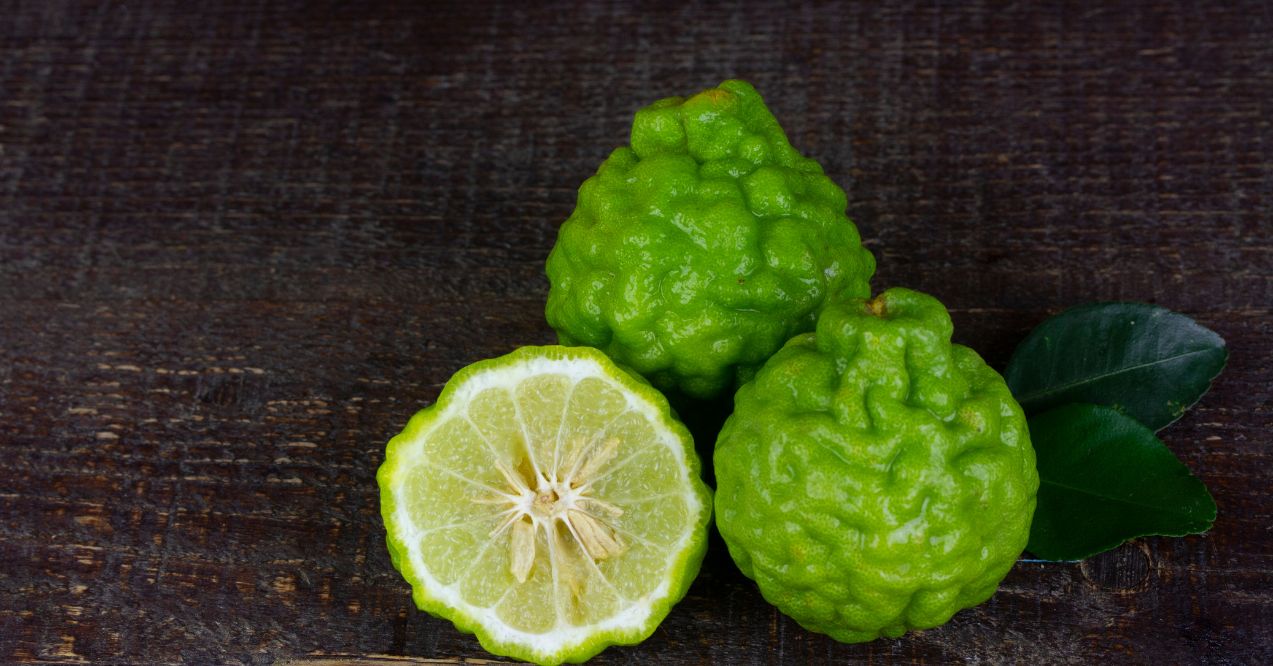
Citrus bergamot extract has gained attention for cholesterol management potential. Like any supplement, it may cause adverse reactions in some people. This article examines the side effects of citrus bergamot based on current research.
Whether you’re considering bergamot supplements, essential oils, or extracts, knowing the facts helps. We’ll cover what science reveals about its effects. You’ll learn who might experience reactions and how to use it responsibly.
What Is Citrus Bergamot and How Is It Used?
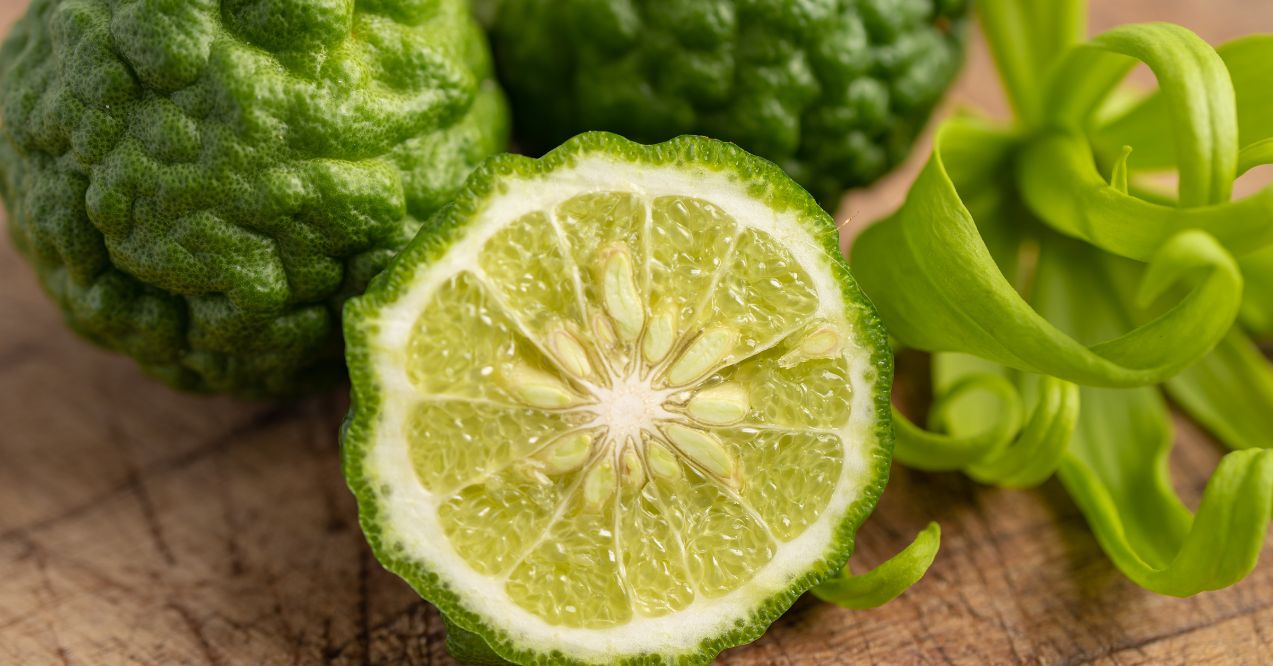
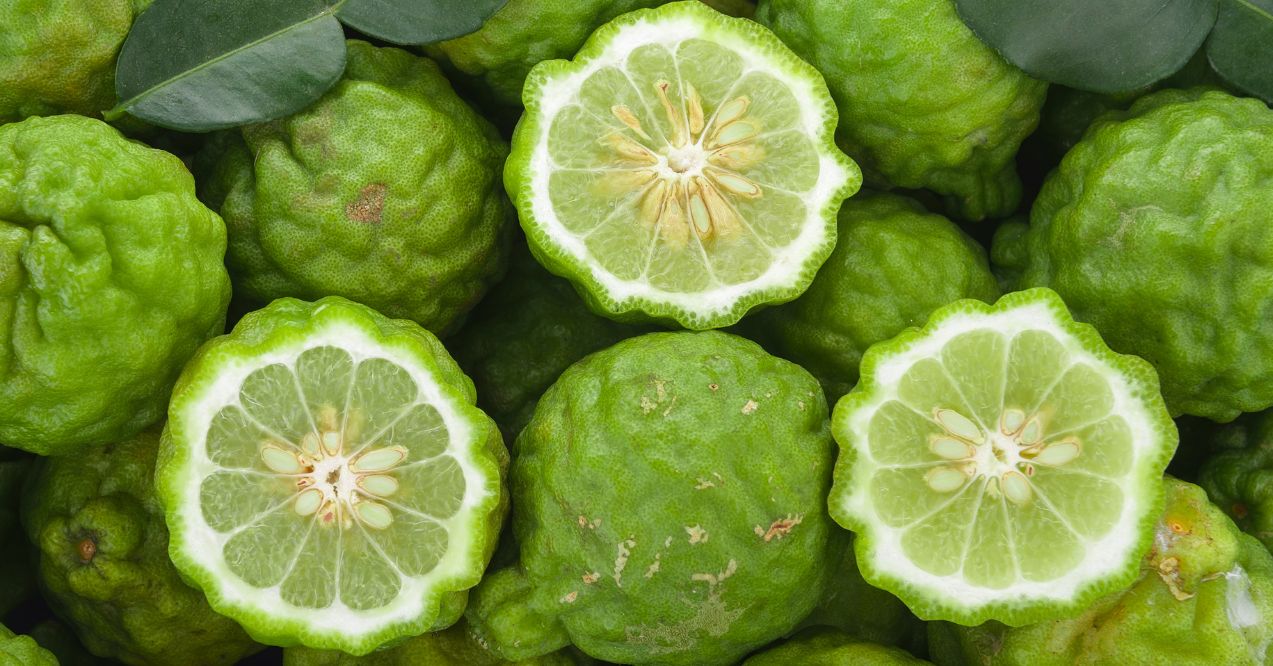
Citrus bergamot (Citrus bergamia) is a citrus fruit native to southern Italy. This yellowish-green fruit combines characteristics of lemon and bitter orange. Manufacturers extract compounds from the fruit’s peel and juice.
The polyphenolic fraction (BPF) contains the active compounds thought to influence cholesterol. This extract appears in capsule supplements marketed for heart health. Bergamot essential oil serves different purposes in aromatherapy and topical applications.
Earl Grey tea gets its distinctive flavor from bergamot oil. The concentration differs significantly from therapeutic supplements. Each form delivers different concentrations of active compounds.
Forms of Bergamot (Oil, Extract, Supplement)
Bergamot extract in capsule form provides measured doses of polyphenolic compounds. This standardized format allows consistent intake. Bergamot essential oil is concentrated and used in diffusers or diluted applications.
The oil contains volatile compounds including bergapten, which may cause photosensitivity. Bergamot juice or whole fruit appears in some traditional preparations. Each format carries different risk profiles for side effects.
Research on Health Benefits of Citrus Bergamot
Research indicates citrus bergamot may influence cholesterol through its polyphenolic compounds.
Most clinical trials remain small and short-term, typically lasting 8-12 weeks. The properties attributed to bergamot come from flavonoids like naringin and neoeriocitrin. Some research points to potential benefits for glucose management as well.
These findings require larger, longer-duration studies for confirmation. Current evidence suggests possible benefits but cannot guarantee specific health outcomes.
Effects on Cholesterol and Blood Sugar
Clinical trials involving 500-1,000 mg daily showed reductions in LDL cholesterol.. Some studies also noted modest increases in HDL cholesterol levels.
The polyphenolic fraction appears to influence HMG-CoA reductase, an enzyme. Research indicates bergamot may affect glucose markers in people with metabolic syndrome. Results don’t apply equally to everyone who takes it.
Properties and Research Findings
Bergamot contains high levels of flavonoid compounds that show activity in laboratory studies. These polyphenols may help neutralize free radicals that contribute to cellular damage. Research suggests potential benefits for reducing inflammation markers like C-reactive protein.
You can learn more about bergamot benefits and how these properties might help. Studies on bergamot’s capacity show promise but primarily involve laboratory or animal models.
Potential Side Effects of Citrus Bergamot
Most people tolerate bergamot supplements without significant issues. Some may experience adverse reactions depending on individual sensitivity. The most frequently reported side effects of citrus bergamot include digestive upset and muscle discomfort.
Digestive symptoms appear more common when taking bergamot on an empty stomach. Doses exceeding 1,000 mg daily also increase the likelihood. Some users report mild headaches during the first week of use.
Certain populations face higher risks for side effects. Those with existing liver conditions or muscle disorders may experience more pronounced reactions. Drug interactions present another concern for people taking cholesterol or blood pressure medications.
Photosensitivity and Skin Reactions
Bergamot essential oil contains furocoumarins, particularly bergapten. These compounds increase skin’s sensitivity to ultraviolet light significantly. Applying undiluted oil directly to skin before sun exposure may lead to burns.
Severe reactions include blistering or hyperpigmentation. These can occur even with minimal sun exposure after application. Topical use requires proper dilution, typically 1-2% concentration in a carrier oil.
Many commercial bergamot oils now offer furocoumarin-free versions. Check product labels for “bergapten-free” or “FCF” designations. Skin patch testing before widespread use can identify sensitivity issues.
Gastrointestinal Discomfort
Bergamot supplements may cause nausea, stomach cramping, or mild bloating. These symptoms typically occur within 1-2 hours of taking the supplement. Higher doses appear more likely to trigger digestive upset in sensitive people.
Taking bergamot with meals often reduces these effects. Starting with lower doses (around 500 mg) allows the digestive system to adapt. Some people find splitting the daily dose into two servings minimizes discomfort.
If symptoms persist beyond the first week or worsen, discontinuing use makes sense. Switching supplement brands may help since formulations vary.
Drug Interactions and Medical Precautions
Bergamot extract may interact with statin medications. This combination could potentially amplify side effects like muscle pain or weakness. Blood pressure medications might also interact since bergamot may enhance their effects.
People taking diabetes medications should exercise caution with bergamot supplements. Bergamot might affect blood glucose levels, which could require medication adjustments. Anticoagulant medications present another concern, though research remains limited here.
For those interested in heart health, exploring various circulation supplements with professional guidance ensures safer choices.
Who Should Avoid Bergamot?
Pregnant and breastfeeding women should avoid bergamot supplements. Research hasn’t established safe dosing or potential effects on fetal development. Children and adolescents also fall into this category.
People with diagnosed liver conditions should exercise extra caution with bergamot. Impaired liver function could affect how the body processes these compounds. Those with rare muscle disorders might face increased risks of muscle discomfort.
Anyone with known citrus allergies should skip bergamot products entirely. Allergic reactions could include hives, breathing difficulties, or swelling. Those scheduled for surgery should discontinue bergamot at least two weeks beforehand.
Safe Usage Guidelines for Citrus Bergamot
Research indicates daily doses of 500-1,000 mg of standardized bergamot extract. Starting at the lower end of this range allows you to assess tolerance. Taking supplements with food may reduce digestive discomfort.
For essential oil use, always dilute before skin application. A safe dilution ratio is 3-5 drops per tablespoon of carrier oil. Never apply undiluted essential oil directly to skin.
Choose supplements from manufacturers who provide third-party testing certificates. Look for products that specify the polyphenolic content. Store bergamot products away from direct sunlight and heat.
Most studies evaluate bergamot use for 8-12 weeks. Long-term safety beyond six months hasn’t been extensively studied. If you experience any unusual symptoms, stopping immediately makes sense.
Conclusion
Citrus bergamot shows promise for cholesterol management based on current research. However, potential side effects ranging from digestive discomfort to photosensitivity require consideration. Drug interactions and individual sensitivities mean bergamot isn’t suitable for everyone.
Weighing these factors against potential benefits helps you make informed decisions. Consulting healthcare professionals before starting bergamot ensures safer use. This applies especially when you have existing health conditions or take medications.
For most healthy adults, daily bergamot supplementation at 500-1,000 mg appears safe. This is based on short-term studies lasting 8-12 weeks. Long-term safety data remains limited at this time. Those with existing health conditions should consult healthcare providers before daily use.
Studies suggest bergamot extract may help lower LDL cholesterol in some people. Results vary based on individual metabolism and baseline cholesterol levels. These supplements might help manage cholesterol but shouldn’t replace prescribed medications. Always get medical supervision before making any medication changes.
Bergamot essential oil contains furocoumarins that increase photosensitivity. This can cause severe sunburn, blistering, or skin discoloration. Undiluted oil may also cause irritation, redness, or allergic reactions. Always dilute properly in carrier oils and avoid sun exposure afterward.
Bergamot may interact with statin cholesterol medications and blood pressure drugs. It can also affect diabetes medications. These interactions could amplify medication effects or side effects. The compounds in bergamot affect similar pathways as these medications.
Bergamot essential oil applied topically can significantly increase skin’s sensitivity to UV light. This photosensitivity may persist for 12-24 hours after application. Oral bergamot supplements typically don’t cause this effect. Choosing furocoumarin-free essential oils reduces this risk considerably.
FAQ
References


Related articles